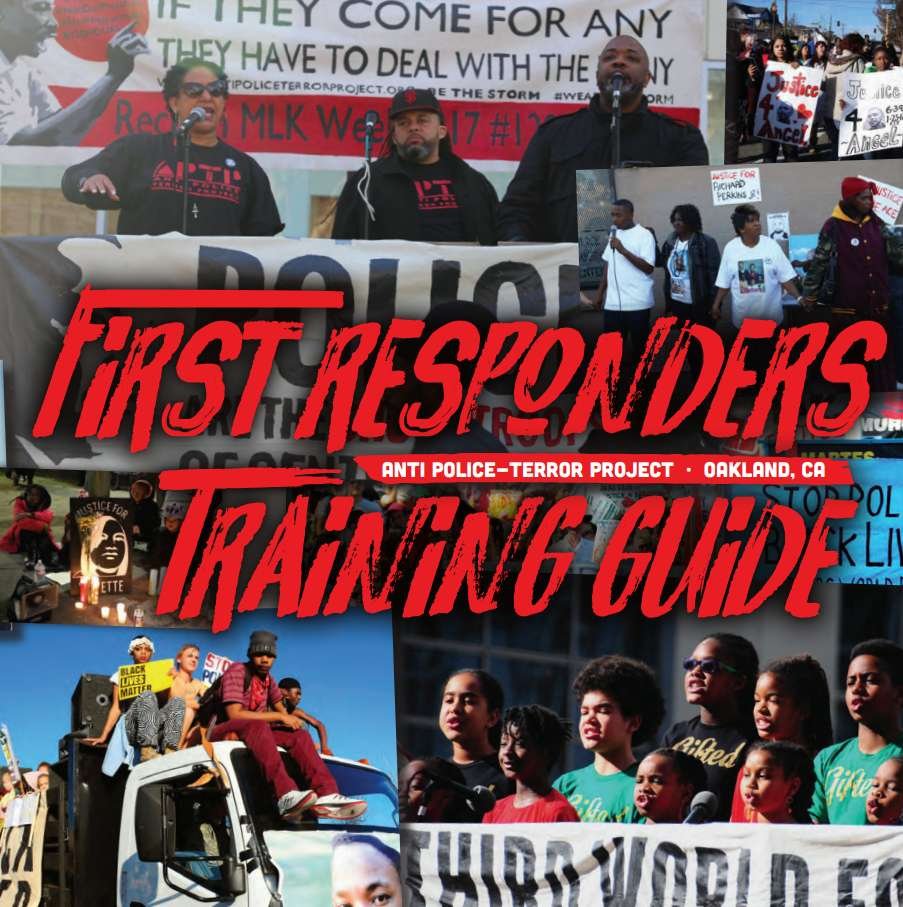
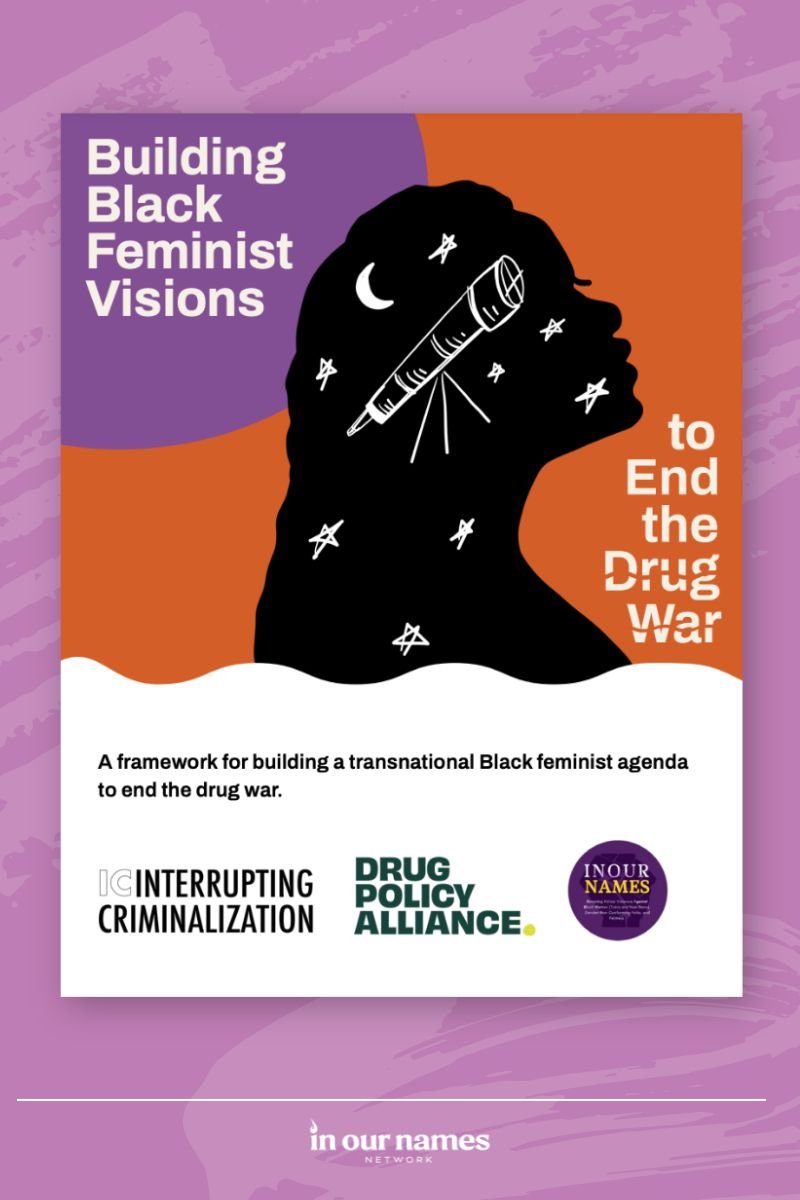
Since it was declared 50 years ago, the “war on drugs” has played a significant role in fueling skyrocketing rates of incarceration for women in the United States, particularly for Black, Indigenous, and other women of color. It has also been a primary driver of fatal, physical, and sexual violence by police, prison, probation, and parole officers, including the 2020 killing of Breonna Taylor by the Louisville Metropolitan Police Department and dozens more Black women and girls across the U.S. over the past five decades, including Frankie Perkins, Tarika Wilson, Alberta Spruill, Kathryn Johnston, and Danette Daniels — the roll call of Black women who are casualties of the war on drugs is both hidden and long.
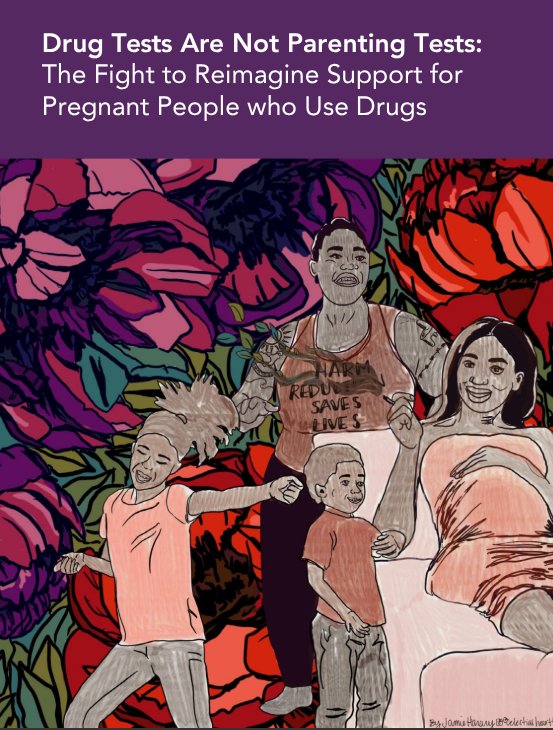
The global ramifications of the U.S.-driven drug war around the world are equally, if not more devastating, fueling enforcement violence targeting Black, Indigenous and other women and trans people of color in the Caribbean, Central and South America, and at the U.S.-Mexico border. Drug policy and enforcement have also fueled family policing and separation, immigration detention and deportation, and denial of benefits, education, housing, employment, and protection from violence for Black, Indigenous, and migrant women and trans people of color, who already experience the highest rates of poverty and structural economic, social and political exclusion in the U.S. and around the world. And, it has contributed to the criminalization of pregnant, parenting, trans, and gender nonconforming people, which is now intensifying in the U.S. and beyond in the context of mounting attacks on sexual, gender and reproductive self-determination and prohibitions focused on the medications and health care that enable women, girls, and trans people to exercise bodily autonomy.